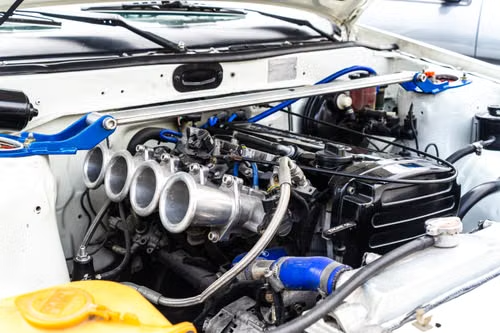
Modern diesel engines depend on clean, balanced airflow to run smoothly.
The intake manifold is the part that helps guide air into the engine cylinders, so fuel can burn in a controlled and efficient way.
What Does the Intake Manifold Do?
The intake manifold sits between the air intake system and the engine cylinders. Its main job is to send air evenly to each cylinder.
In a diesel engine, air is compressed before fuel is injected. That makes airflow very important. If the air does not move properly, the engine may not feel as smooth as it should.
Key jobs of the intake manifold include:
- Guiding air into each cylinder
- Helping maintain balanced airflow
- Supporting better combustion
- Working with sensors and valves
- Helping the engine respond more consistently
Main Intake Manifold Components
An intake manifold is not just one simple pipe. It is a group of parts that work together.
Manifold Body
This is the main housing. It carries air from the intake system to the cylinder head. In many modern cars, it is made from strong plastic or metal, depending on the engine design.
Intake Runners
These are the passages inside the manifold. They guide air to each cylinder. Their shape and length affect how air moves at different engine speeds.
Vortex or Swirl Flaps
Some diesel engines use small flaps inside the intake system. These help control air movement, especially at lower speeds. The goal is to improve air mixing inside the cylinder.
EGR Connection
Many diesel intake systems also connect with the EGR system. This system sends a controlled amount of exhaust gas back into the intake. It is designed as part of the engine’s emissions control setup.
Sensors and Actuators
Modern engines use sensors to monitor airflow and pressure. Actuators may control flaps or valves based on engine load, speed, and temperature.
How These Parts Work Together
When you press the accelerator, the engine needs the right amount of air. The intake system manages this flow before combustion happens.
Here is a simple flow:
- Air enters through the air filter.
- It passes through intake pipes and sensors.
- The manifold distributes air to the cylinders.
- Flaps or valves help shape airflow.
- Combustion happens inside the cylinders.
Intake Manifold Components: Quick Comparison
| Component | Main Role | Why It Matters |
| Manifold body | Carries air to the engine | Keeps airflow organised |
| Intake runners | Directs air to each cylinder | Supports balanced performance |
| Swirl/vortex flaps | Control air movement | Helps air mix properly |
| EGR connection | Works with emissions system | Supports engine management |
| Sensors | Measure airflow and pressure | Helps the ECU make adjustments |
| Actuators | Move valves or flaps | Supports controlled airflow |
Why Maintenance Matters
Diesel intake systems handle air, oil vapour, and gases from connected systems. Over time, technicians may inspect these parts during servicing.
Common checks include:
- Looking for loose or worn parts
- Checking flap movement
- Inspecting seals and connections
- Reviewing airflow-related fault codes
- Cleaning areas where deposits may collect
For vehicle-specific repair planning, especially on some Škoda diesel models, mechanics may look at compatible parts such as https://klifex.com/vortex-damper-plugs-and-egr-kits/skoda-vortex-damper-plugs-and-egr-removal-kits when discussing intake manifold and EGR-related service options.
Signs Drivers May Notice
You do not need to be a mechanic to notice when an engine feels different. Intake-related issues can show up in everyday driving.
Useful signs to pay attention to include:
- Less smooth acceleration.
- Uneven engine response.
- Warning lights linked to airflow.
- More frequent servicing discussions around intake parts.
- Reduced driving comfort compared with normal performance.
Conclusion
The intake manifold plays a quiet but important role in modern diesel engines. It guides air, supports combustion, and works with flaps, sensors, actuators, and EGR-related parts. For everyday drivers, the main point is simple: good airflow supports smoother engine behaviour. For mechanics and enthusiasts, understanding each component makes diagnosis and maintenance more practical.